

Why Multi-Functional Furniture Is the Future of Modern Homes
Modern homes are being asked to do more than ever before. A single room might serve as a home office by day, a family gathering space in the evening, and a guest bedroom on weekends. At the same time, square footage is shrinking, housing costs are rising, and homeowners are becoming more intentional about how every inch of space is used.
Multi-functional furniture isn’t a passing trend—it’s a practical response to how people actually live today. Pieces that adapt, transform, and serve multiple purposes are reshaping interior design, real estate expectations, and daily life. In many ways, they represent the future of modern living.
Homes Are No Longer Single-Purpose Spaces
For much of the last century, homes were designed around rigid room definitions: a bedroom was only a bedroom, a dining room was used a few times a year, and an office existed only in larger houses. That model no longer fits modern life.
Remote and hybrid work, multi-generational households, homeschooling, and short-term guests have all changed how space is used. A room that sits idle most of the time now feels wasteful. Homeowners want flexibility without sacrificing comfort or aesthetics.
Multi-functional furniture allows rooms to shift roles seamlessly. A guest room doesn’t have to remain empty between visits. A home office doesn’t need to dominate the house visually. Living spaces can stay open and inviting while still offering practical utility when needed.
The Rise of Function-Driven Design
Design priorities have shifted. Instead of asking, “How does this room look?” people are increasingly asking, “How does this room work?”
Multi-functional furniture answers that question by blending form and function. Modern designs focus on clean lines, hidden mechanisms, and materials that feel intentional rather than utilitarian. The goal is not to make furniture look clever, but to make it feel effortless.
Today’s best multi-use pieces don’t announce themselves as convertible. They look like thoughtfully designed furniture first—and reveal their adaptability only when needed. This subtlety is key to their growing popularity.
Why Space Efficiency Is Becoming a Luxury
Luxury used to mean more space. Now, it often means better use of space.
Urban living, downsizing, and rising housing costs have made efficiency a mark of smart design rather than compromise. Homebuyers and renters alike are prioritizing layouts that feel open, flexible, and calm instead of crowded with underused furniture.
Multi-functional furniture contributes to that sense of ease by reducing visual clutter and maximizing usable square footage. When furniture can disappear, fold away, or transform, rooms feel larger and more breathable—even when they serve multiple roles.
This shift is especially noticeable in primary bedrooms, home offices, and living areas where people want comfort without sacrificing openness.
The Practical Benefits That Drive Adoption
While aesthetics matter, practicality is what truly drives the move toward multi-functional furniture. These pieces solve everyday problems in ways that fixed furniture simply cannot.
Some of the most compelling benefits include:
- Better use of square footage, allowing one room to serve multiple purposes without feeling cramped
- Improved organization, as many multi-use designs integrate storage and reduce the need for extra furniture
- Long-term flexibility, making homes more adaptable to life changes such as remote work, growing families, or aging in place
Unlike temporary solutions, high-quality multi-functional furniture is designed for daily use. It supports real routines, not just occasional needs.
Wall Beds as a Case Study in Smart Living
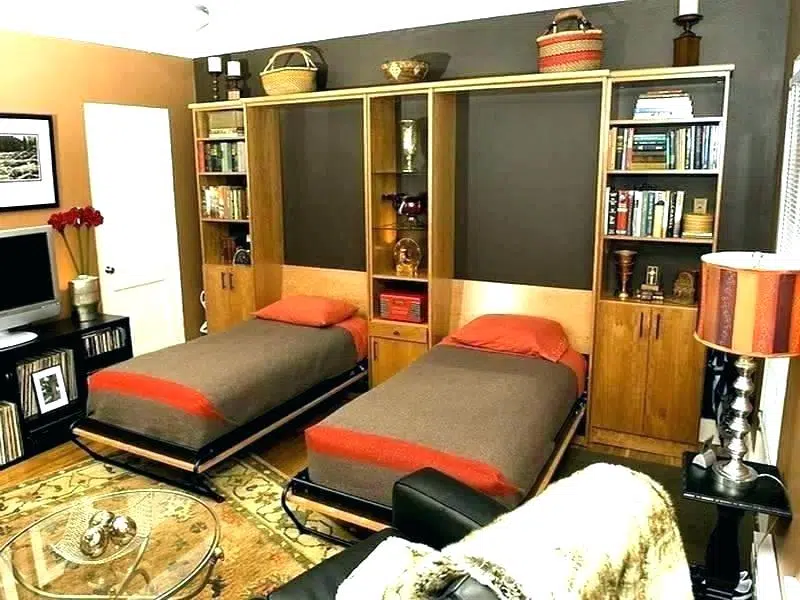
Wall beds—often called Murphy beds—are one of the clearest examples of how multi-functional furniture has evolved. Early versions were purely utilitarian, prioritizing function over comfort or appearance. Modern designs are entirely different.
Today’s wall beds integrate seamlessly into cabinetry, shelving, sofas, desks, and wardrobes. When closed, they function as elegant storage or seating. When open, they offer a full, comfortable sleeping surface that rivals a traditional bed.
What makes wall beds especially relevant is how well they address modern needs. A home office can remain a professional workspace during the week and convert into a guest bedroom in seconds. A studio or small apartment can feel open during the day without sacrificing a proper sleeping arrangement at night.
This kind of transformation is no longer niche—it’s becoming a standard expectation in well-designed homes.
Sustainability Through Fewer, Better Pieces
Another reason multi-functional furniture is shaping the future is sustainability. Fewer, higher-quality pieces that serve multiple roles reduce overall consumption and waste.
Instead of buying separate items for each function, homeowners can invest in thoughtfully designed furniture that adapts over time. This approach aligns with a broader shift toward mindful purchasing and long-lasting materials.
Well-made multi-functional furniture is often built with durability in mind, using solid wood, reinforced hardware, and tested mechanisms. When one piece replaces several, it reduces the environmental footprint associated with manufacturing, shipping, and disposal.
Designing for Life Transitions
Homes must evolve as life does. A room that works perfectly today may need to change in five or ten years.
Multi-functional furniture supports these transitions without requiring major renovations. A nursery can later become a guest room or office. A bonus room can shift from hobby space to bedroom as families grow. Aging homeowners can adapt spaces for accessibility and ease without moving.
This adaptability makes multi-functional furniture a smart long-term investment. Rather than locking a home into one phase of life, it keeps options open.
The Psychological Impact of Flexible Spaces
Beyond practicality, flexible furniture affects how people feel in their homes. Spaces that can be easily reconfigured create a sense of control and calm.
Cluttered or underused rooms often carry mental weight. When furniture supports clarity—by folding away, organizing storage, or redefining a space—it can reduce stress and improve daily routines.
Homes that adapt smoothly tend to feel more intentional. Instead of forcing life to fit the house, the house supports life as it unfolds.
Where Multi-Functional Design Is Headed Next
As technology, materials, and design continue to evolve, multi-functional furniture will only become more refined. Mechanisms are becoming quieter and smoother. Designs are becoming more customizable. Integration with lighting, power, and storage is becoming standard rather than special.
The future points toward furniture that feels invisible when not in use and indispensable when it is. This isn’t about novelty—it’s about making homes work better without asking people to compromise comfort or style.
Multi-functional furniture represents a shift in thinking: space is no longer defined by walls alone, but by how intelligently it can transform.
Final Thoughts
Multi-functional furniture is not a workaround for small homes—it’s a forward-thinking solution for modern living. As lifestyles become more dynamic and space more valuable, furniture that adapts will continue to replace furniture that sits still.
The homes of the future won’t necessarily be larger. They’ll be smarter, calmer, and more flexible. Multi-functional furniture isn’t just part of that future—it’s leading it.