

Design Trends for 2026: Why Hidden Beds Are Taking Over Modern Homes
The Shift Toward Smarter Living Spaces
Home design is evolving—and quickly.
In the past, rooms were defined by a single purpose: bedrooms for sleeping, offices for working, living rooms for relaxing. Today, that model feels outdated. Modern homeowners expect more flexibility, especially as lifestyles continue to shift.
As we move into 2026, one trend is becoming impossible to ignore: spaces that do more.
And at the center of that movement? Hidden beds.
Why Traditional Layouts No Longer Work
Rising housing costs, changing work patterns, and the growing demand for versatility have all reshaped what people expect from their homes.
Dedicated guest rooms are harder to justify. Large, single-purpose furniture feels inefficient. And open, adaptable spaces are now more desirable than ever.
This is where hidden beds—especially Murphy beds—come into play. They offer a way to maintain comfort without permanently sacrificing space.
The Rise of Minimalism—With a Practical Twist
Minimalism has been influencing design for years, but in 2026, it’s becoming more practical and less extreme.
People don’t necessarily want empty rooms. They want clean, uncluttered spaces that still meet their needs.
Hidden beds support this balance perfectly. When not in use, they disappear into the wall or cabinetry, maintaining a streamlined look. When needed, they provide full functionality without compromise.
This blend of simplicity and practicality is exactly what modern homeowners are looking for.
Multi-Functional Design Is the New Standard
The idea of a “flex room” is no longer a bonus feature—it’s becoming a standard expectation.
Homeowners are actively seeking ways to make every square foot count. Whether it’s combining a guest room with a home office or turning a studio space into a multi-use environment, flexibility is key.
Hidden beds enable this transformation effortlessly.
Why they’re gaining popularity:
- They allow rooms to serve multiple purposes without crowding
- They eliminate the need for bulky, single-use furniture
- They enhance both function and aesthetics
This isn’t just a trend—it’s a shift in how homes are designed and used.
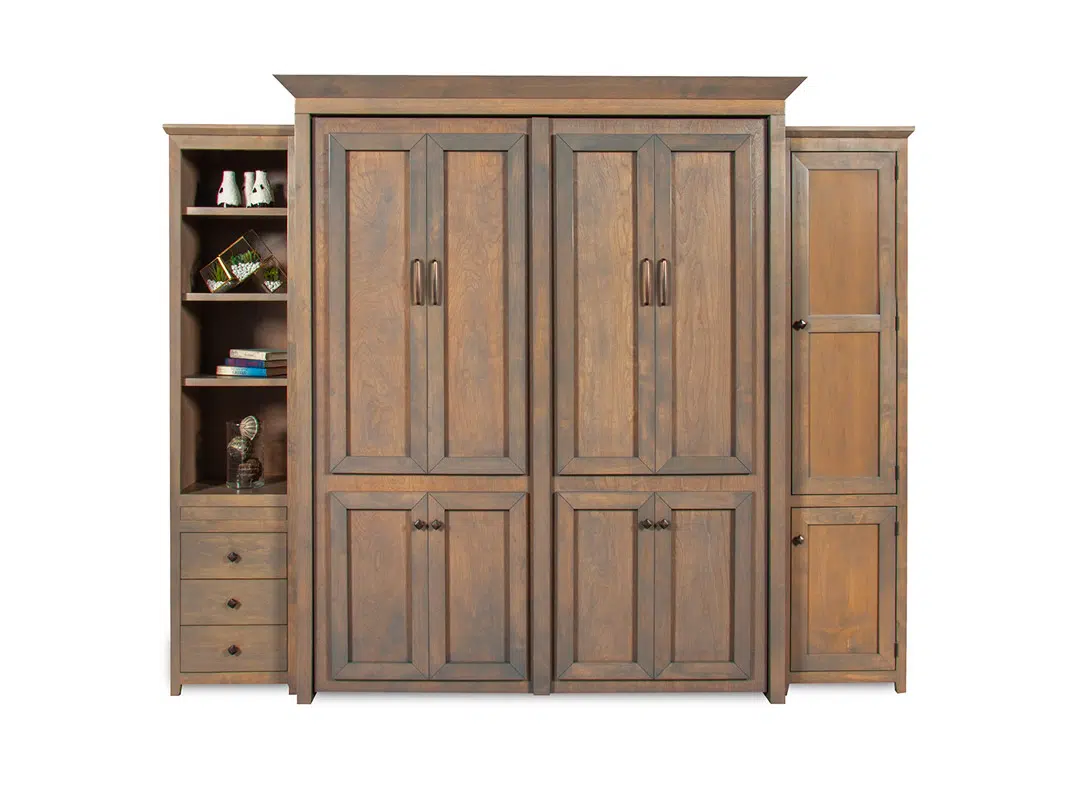
Design Meets Innovation
Today’s Murphy beds are a far cry from the clunky, outdated versions of the past. Modern designs prioritize both form and function, making them a seamless addition to contemporary interiors.
Features often include integrated shelving, desks, or cabinetry, allowing the unit to serve as more than just a bed. Finishes range from sleek and modern to warm and traditional, ensuring they fit into virtually any design style.
The result is a piece of furniture that enhances the room—even when it’s not in use.
Who’s Driving the Trend?
This shift isn’t limited to one demographic. Hidden beds appeal to a wide range of homeowners, including:
- Remote workers needing flexible office space
- Families accommodating guests without extra bedrooms
- Downsizers who want efficiency without sacrificing comfort
What they all have in common is a desire for smarter living—not smaller living.
The Future of Home Design
Looking ahead, it’s clear that adaptability will continue to shape how homes are built and furnished.
As more people prioritize functionality, furniture that can transform a space will only become more valuable. Hidden beds are leading that movement, offering a practical solution that aligns with modern expectations.
They’re not just a space-saving trick—they’re a foundational design element for the future.
Final Thoughts
Design trends come and go, but some signal a deeper shift in how we live. Hidden beds fall into that category.
They represent a move toward intentional living—where every piece of furniture serves a purpose, and every room can adapt as needed.
If 2026 is about smarter, more flexible homes, then Murphy beds aren’t just part of the trend—they’re helping define it.