

Love Where You Live: Simple Home Upgrades That Improve Daily Life (Not Just Aesthetics)
February tends to shine a spotlight on relationships, but one of the most influential relationships in your life often goes unnoticed—the one you have with your home. You wake up there, recover there, work there, and retreat there when the outside world feels overwhelming. Yet many homes are set up around appearances or outdated expectations rather than the realities of daily life.
Loving where you live isn’t about dramatic remodels or chasing design trends. It’s about making thoughtful upgrades that reduce friction, improve comfort, and support how you actually use your space. When a home works well, it quietly improves your mood, energy, and sense of control—often in ways that are easy to overlook until they’re missing.
Why Function Matters More Than Style
Design magazines and social media often emphasize how a home looks, but functionality is what determines how a home feels. A beautiful room that doesn’t support your routines can quickly become a source of frustration. In contrast, a well-functioning space tends to feel calm, even if it isn’t styled to perfection.
Functional upgrades focus on removing daily stressors. That might mean improving how a room flows, reducing clutter, or making a space more adaptable. These changes don’t announce themselves visually, but they show up every time you move through your home without tripping over furniture, searching for storage, or rearranging rooms to accommodate basic needs.
When your home supports you instead of slowing you down, it becomes easier to relax into it.
The Hidden Cost of Small Daily Frictions
Many homeowners tolerate minor inconveniences for years because they don’t feel urgent enough to fix. A cramped workspace, a guest room that sits empty most of the year, or a living area that feels crowded are often dismissed as “just how the house is.”
Over time, these small issues add up. They drain mental energy, limit how you use your home, and subtly increase stress. The goal of smart home upgrades isn’t luxury—it’s relief.
Improving daily life often comes down to addressing questions like:
- Does this room serve me every day, or only occasionally?
- Am I using space efficiently, or just filling it?
- Does my home adapt when my needs change?
The answers point directly toward meaningful upgrades.
Comfort Is a Lifestyle Upgrade
Comfort isn’t indulgent—it’s foundational. Homes that feel comfortable encourage better rest, more connection, and healthier routines. Yet comfort is often sacrificed for appearances or outdated layouts.
Comfort-focused upgrades may include better lighting placement, furniture that supports the body properly, or layouts that allow rooms to breathe. These aren’t glamorous changes, but they directly affect how you feel at the end of a long day.
When a home feels physically comfortable, it becomes easier to enjoy it emotionally. You’re more likely to invite people over, spend time together, or simply sit still without feeling restless.
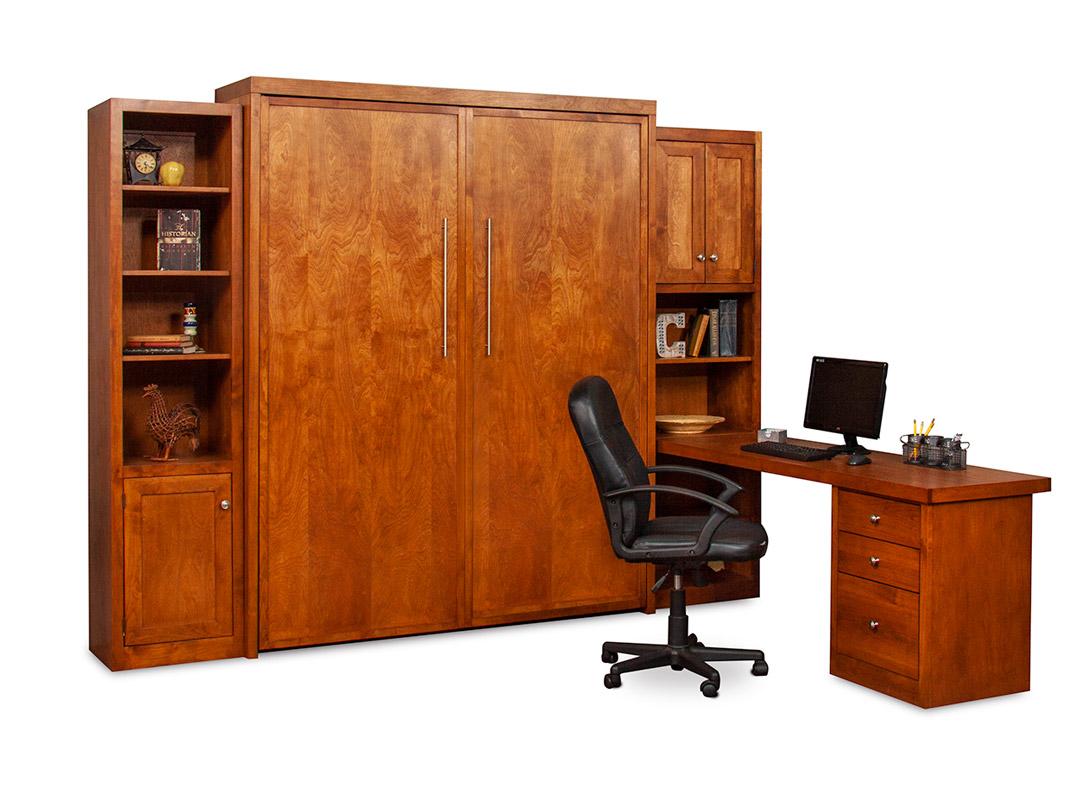
Multi-Use Spaces Create Emotional Breathing Room
One of the most impactful shifts homeowners can make is moving away from single-purpose rooms. Life rarely fits neatly into labeled spaces, and homes that insist on rigid roles often feel restrictive.
Rooms that can adapt—without constant rearranging—give homeowners flexibility and peace of mind. A home office that can become a guest room, or a living space that can open up or wind down as needed, allows the home to respond to real life.
The most effective multi-use spaces usually share a few traits:
- Furniture that transforms smoothly without heavy lifting or disruption
- Clear visual simplicity when secondary functions are not in use
- Intentional storage that prevents clutter from creeping in
When a room works hard without looking busy, it feels supportive rather than demanding.
Organization That Reduces Mental Load
Clutter is more than a visual problem—it’s cognitive noise. Homes that lack proper storage force people to make constant small decisions about where things go, what stays out, and what gets moved again later.
Thoughtful storage upgrades reduce this mental load. Built-in solutions, concealed storage, and furniture that integrates organization help keep surfaces clear and routines predictable.
This doesn’t mean hiding everything. It means giving belongings a logical place so they don’t interrupt daily life. When storage works well, you spend less time managing your home and more time living in it.
Better Sleep Starts With Better Use of Space
Sleep quality is one of the clearest indicators of whether a home is supporting health. Bedrooms that double as storage dumps, workspaces, or clutter catch-alls often interfere with rest—even if the bed itself is comfortable.
Improving sleep doesn’t always require a larger bedroom. It often requires simplifying the space and being intentional about what belongs there. Furniture that allows a room to shift roles during the day—without carrying those roles into nighttime—can make a measurable difference.
A room that feels open, calm, and purpose-built at night encourages deeper rest. Over time, that improvement ripples outward into energy levels, mood, and resilience.
Designing for Change Instead of Perfection
One of the biggest misconceptions about home design is that it should aim for a final, perfect state. In reality, life keeps changing, and homes that resist change quickly feel outdated or limiting.
Upgrades that prioritize flexibility make it easier to move through different seasons of life. Whether that means working from home, hosting aging parents, welcoming guests, or downsizing belongings, adaptable spaces reduce the need for constant renovation.
This mindset shift—from perfection to responsiveness—often brings relief. The home stops feeling like something to maintain and starts feeling like something that supports you.
Small Changes With Outsized Impact
Not every upgrade needs to be large or expensive. Some of the most effective improvements come from rethinking how space is used rather than adding more to it.
A few examples of high-impact changes include:
- Replacing fixed furniture with pieces that serve more than one purpose
- Reclaiming underused rooms and making them functional year-round
- Improving flow by removing unnecessary furniture rather than adding décor
These changes tend to pay off daily, which makes them feel far more valuable than purely cosmetic updates.
Loving Your Home Is About Ease, Not Impressing Others
Homes designed primarily to impress often fail the people who live in them. When decisions are driven by comfort, efficiency, and flexibility, homes become easier to live in and easier to love.
This doesn’t mean sacrificing beauty. It means letting beauty follow function rather than compete with it. Spaces that work well tend to look better over time because they aren’t constantly fighting against real life.
When you love where you live, it shows up in small moments: smoother mornings, quieter evenings, and fewer things that feel “in the way.”
Final Thoughts
Loving your home isn’t about square footage, trends, or perfection. It’s about whether your space supports your daily life with ease and flexibility. Simple, intentional upgrades—especially those that improve function—can transform how a home feels without turning it into a construction project.
February is a fitting time to reflect on what truly adds value to your life. When your home works with you instead of against you, it becomes more than a place to live—it becomes a place that restores you.